

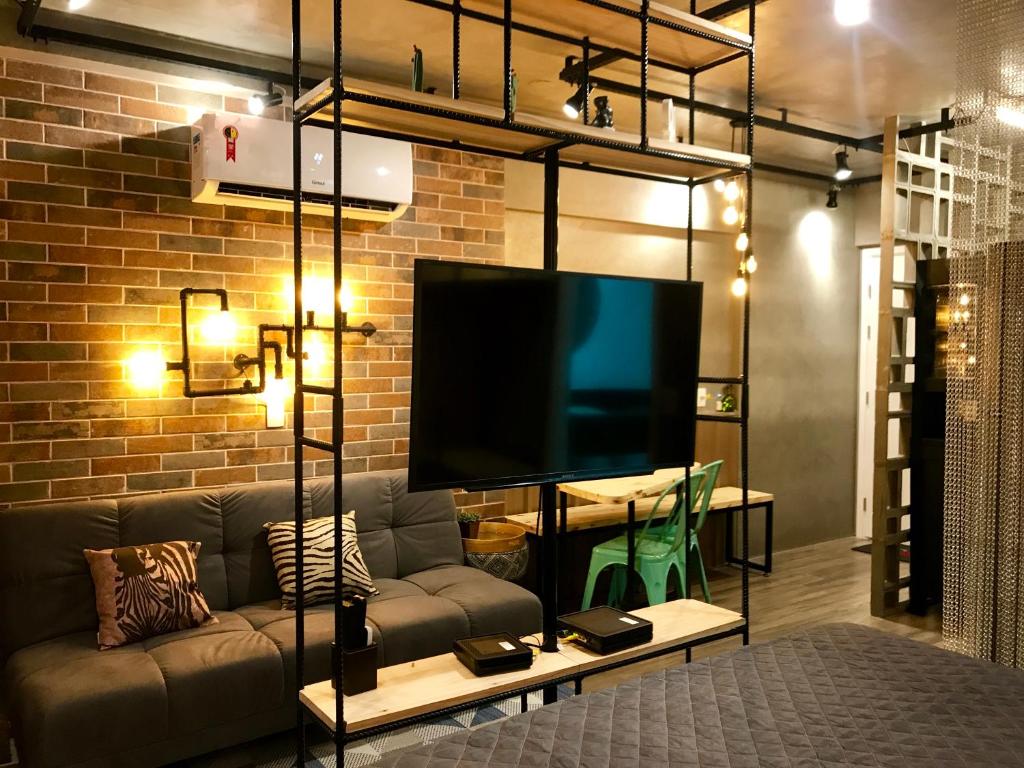
In today’s fast-evolving creative industry, the traditional concept of a studio as a fixed, single-purpose environment is being completely reimagined. The rise of hybrid work, virtual production, and AI-assisted tools has led to a new generation of adaptive studios — spaces that intelligently respond to artistic, technological, and human needs. These studios go beyond soundproof rooms or controlled lighting setups; they are fluid ecosystems designed for agility, sustainability, and multi-disciplinary creation.
Rethinking the Purpose of a Studio
Studios have historically been static environments — fixed walls, fixed acoustics, fixed workflows. But the creative process today demands flexibility. A space used for music recording in the morning might transform into a motion capture environment or a virtual production stage by evening. This shift has given rise to multi-functional, modular studio architecture, where adaptability is not an afterthought but the design foundation.
Adaptive studios can seamlessly transition between physical and digital modes. They integrate movable acoustic panels, retractable lighting systems, and configurable stage floors that accommodate different production types — from sound engineering and film editing to immersive 3D design and streaming.
Architectural Intelligence: Designing for Change
Modern studios are no longer about construction alone; they embody architectural intelligence. Architects and designers now approach studio spaces as living systems that learn, adjust, and evolve. The integration of smart technologies and data-responsive materials allows studios to automatically fine-tune themselves for the best creative experience.
Core Principles of Adaptive Studio Architecture
-
Spatial Modularity: Movable partitions, ceiling grids, and reconfigurable furniture enable quick transitions between uses.
-
Smart Environmental Control: Sensors monitor sound levels, light intensity, and air quality to maintain optimal creative conditions.
-
Sustainable Engineering: Energy-efficient HVAC systems, recycled acoustic materials, and solar-integrated roofing reduce environmental impact.
-
Ergonomic Design: Human-centric layouts that minimize fatigue, enhance creativity, and improve collaboration across hybrid teams.
These principles redefine the studio as a smart workspace capable of evolving in real time with project demands.
The Rise of Hybrid Creative Workflows
The pandemic accelerated hybrid production workflows — where teams collaborate both in-person and remotely using cloud-connected technologies. Studios now act as hybrid production nodes, blending physical spaces with virtual infrastructure. This new workflow challenges traditional production models and compels studios to adopt cloud-first collaboration systems.
For example, a director in London can supervise a shoot happening in Los Angeles in real time using low-latency streaming and integrated camera-to-cloud systems. Similarly, sound engineers and visual artists can co-edit and master projects using virtual studio platforms like Avid Nexus, DaVinci Resolve Cloud, or Dolby.io.
The result is a borderless studio experience — one that is not limited by geography or hardware but enabled by network intelligence and scalable digital resources.
Acoustics in the Era of Smart Studios
While technology dominates modern production, acoustics remain the soul of any creative studio. However, acoustic design is no longer just about isolating sound; it’s about dynamic audio adaptability. Intelligent acoustic systems use sensors and algorithms to modify sound profiles depending on the project type — whether it’s a podcast, live session, or film mix.
AI-driven systems like adaptive resonance panels or real-time sound diffusion controllers are becoming standard in advanced studios. These systems continuously monitor ambient conditions and automatically recalibrate surfaces and frequencies to maintain acoustic integrity. Such innovations blur the line between architecture and engineering, turning sound design into a responsive architectural feature rather than a fixed installation.
Virtual Production and the Metastudio Concept
Perhaps the most revolutionary development in studio design is the rise of the metastudio — an integrated physical-digital production ecosystem combining real-world filming environments with virtual 3D stages. Built around LED volume technology and real-time rendering engines like Unreal Engine 5, metastudios allow creators to simulate any environment within a controlled studio space.
The advantage lies in efficiency and creative freedom. Instead of flying to multiple locations, filmmakers can create realistic landscapes and lighting effects directly within the studio. The architecture of metastudios is designed to handle massive data throughput, camera tracking, and synchronization with 3D assets — making them the next frontier of content creation.
Sustainability in Studio Infrastructure
Sustainability has become a defining feature of next-generation studios. Beyond energy efficiency, eco-conscious design now addresses material sourcing, lifecycle management, and waste reduction. For instance, bamboo-based acoustic panels, recycled rubber flooring, and LED lighting grids drastically lower carbon footprints while maintaining professional-grade performance.
Some advanced studios employ microclimate control systems that reduce energy use by adjusting airflow dynamically according to occupancy and temperature sensors. Others integrate photovoltaic roofs or green walls that naturally regulate heat and improve air quality. Sustainable studio design is not just environmentally responsible — it’s economically smart, reducing long-term operational costs while appealing to environmentally conscious clients.
Data-Driven Studio Management
As studios become more connected, data analytics is playing a growing role in optimizing space performance. IoT-enabled systems collect real-time metrics on energy use, equipment uptime, and room occupancy. Studio managers can analyze these insights to schedule maintenance, improve acoustics, or enhance workflow efficiency.
For example, machine learning models can predict when lighting rigs or sound consoles will need calibration. Similarly, motion tracking systems can study how teams use space and suggest better layouts for collaboration. The integration of data and design intelligence transforms the studio into a self-learning environment that continuously improves over time.
The Human Element in High-Tech Studios
Despite the automation and digital sophistication, the essence of any studio lies in the human experience. Future-ready studios are designed not just for productivity, but also for mental and emotional well-being. Natural lighting, ergonomic furniture, biophilic elements, and quiet zones help reduce stress and foster creativity.
Hybrid spaces also promote inclusivity — enabling both in-person and remote talent to work in harmony. A thoughtful mix of digital tools and human-centered design ensures that technology enhances, rather than overwhelms, the creative process.
The Road Ahead: From Static Spaces to Living Ecosystems
The next decade will witness studios evolving into living ecosystems — spaces that autonomously adapt, learn from usage patterns, and support multiple modes of creation. Architectural flexibility, powered by AI, robotics, and data science, will make creative production more efficient, inclusive, and sustainable than ever.
Adaptive studios are not simply about future-proofing infrastructure; they represent a cultural shift — one where creativity and technology coexist seamlessly, and where space becomes an active participant in the artistic process.
FAQs About Adaptive Studio Design
1. What makes an adaptive studio different from a traditional one?
An adaptive studio is designed for flexibility and technological integration, enabling real-time configuration changes, smart environmental controls, and hybrid workflows — unlike traditional fixed-purpose spaces.
2. Are adaptive studios more expensive to build?
While initial construction costs may be higher, the long-term operational savings from energy efficiency, modularity, and reduced renovation needs make them cost-effective investments.
3. How does AI contribute to modern studio design?
AI is used for intelligent lighting, acoustic optimization, environmental control, and predictive maintenance — helping studios maintain ideal creative conditions automatically.
4. What industries benefit most from adaptive studios?
Film, music, gaming, advertising, VR production, and even corporate content creation all benefit from adaptive, multi-use environments.
5. How does virtual production fit into adaptive studio architecture?
Virtual production leverages LED walls and real-time 3D rendering, requiring flexible spatial design and advanced infrastructure — making it a perfect fit for adaptive studios.
6. Can adaptive studios support remote collaboration?
Yes, they are built with integrated cloud workflows, allowing seamless real-time collaboration across distributed teams and platforms.
7. What is the biggest challenge in creating adaptive studios?
Balancing high-end technology integration with architectural simplicity and sustainability remains the greatest challenge — ensuring that innovation serves creativity, not complexity.
