

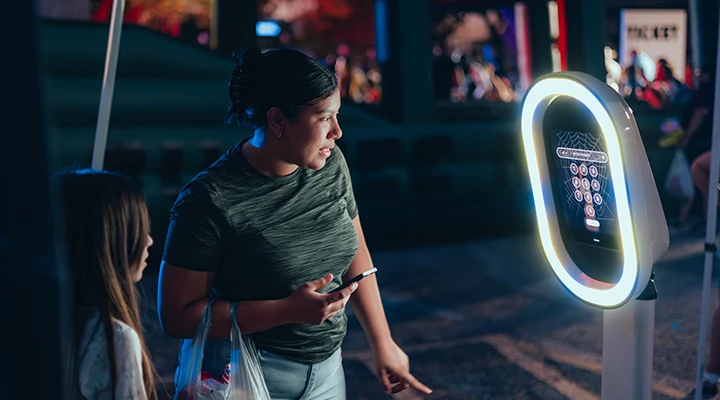
In the modern event landscape, photo booths have evolved from simple entertainment tools into strategic assets that drive engagement, collect data, and amplify brand presence. What was once a novelty has now become a sophisticated marketing channel powered by innovation, personalization, and technology. This shift has redefined how brands connect with audiences through experiences that are memorable, measurable, and shareable.
The Rise of Intelligent Photo Booths
Smart photo booths have become a vital component in experiential marketing. Instead of static backdrops and basic prints, today’s booths leverage AI, augmented reality (AR), machine learning, and automation to deliver tailor-made experiences. Guests no longer just “take photos”—they interact with immersive digital environments that align with brand stories.
This transformation means every photo becomes a piece of branded content, perfectly formatted for social platforms like Instagram, TikTok, or LinkedIn. By combining creativity with technology, smart photo booths not only entertain but also drive organic brand exposure, turning event participants into micro-influencers.
Advanced Technology That Redefines Engagement
AI and AR for Personalized Storytelling
Artificial intelligence analyzes user behavior in real time to create adaptive visual experiences. A booth might adjust lighting, color balance, or filters based on facial expressions or detect emotions to trigger unique overlays. Meanwhile, AR introduces dynamic layers—guests can appear inside branded worlds, interact with digital mascots, or use virtual props that tell a story.
Motion and 360° Experiences
Motion capture and 360° video booths are revolutionizing social content creation. These systems record panoramic clips, allowing guests to relive moments from every angle. The result is cinematic footage ready for social media, creating a stronger connection between brand and participant through visually striking content.
Gesture and Voice Interactions
Voice and gesture recognition are pushing interactivity to new heights. Users can change filters, start recordings, or trigger animations without touching screens. This not only enhances accessibility but also provides a futuristic experience that captures attention instantly.
Branding Through Immersive Customization
The most successful photo booth activations tell a brand’s story through immersive design. Rather than relying on stock templates or repetitive props, forward-thinking marketers use custom-built experiences that align perfectly with campaign objectives.
Branded Environments
LED walls, projection mapping, and 3D virtual sets replace static backdrops, offering endless creative flexibility. A fashion brand can recreate a runway, while a travel company can simulate destinations using green screen or AR layers. Every detail—from lighting tone to motion graphics—reinforces brand identity.
Interactive Props and Dynamic Assets
Physical props are giving way to digital ones. Virtual accessories, branded filters, and augmented props reduce waste while offering infinite customization. Participants can “wear” virtual outfits, hold digital products, or appear beside celebrities or characters. These immersive touches enhance engagement and extend brand storytelling into the digital sphere.
Seamless Social Integration
Smart booths automatically format outputs for instant sharing with campaign hashtags, captions, and branded overlays. Guests amplify brand reach organically as they post their experiences online, effectively transforming every photo into a mini advertisement.
Data and Analytics: Turning Fun into Insight
Behind every smile is a wealth of measurable data. Modern photo booths now serve as data collection engines, providing brands with insights that were previously impossible to gather through traditional channels.
Data Capture and Compliance
Through opt-in forms, QR codes, or personalized links, photo booths capture information such as names, emails, social handles, and demographic data. This allows event organizers to track participation and personalize follow-ups—all while respecting privacy regulations.
Live Analytics and ROI Tracking
Dashboards provide real-time visibility into booth engagement. Organizers can view metrics like total sessions, share counts, dwell time, and audience demographics. These data points help justify ROI and guide improvements for future campaigns.
Behavioral Insights for Better Strategy
Understanding how users engage—what filters they choose, how long they interact, what content they share—reveals valuable behavioral trends. Brands can use these insights to refine creative assets, messaging, and audience targeting beyond the event.
Beyond Events: Expanding the Role of Photo Booths
Photo booths have moved far beyond weddings and parties—they now play a central role in retail, corporate, and hybrid experiences.
Retail Activations and Pop-Ups
Permanent or semi-permanent booths in retail environments encourage customers to engage directly with brands. Whether it’s trying on virtual products or creating branded selfies, these activations boost in-store engagement and drive organic online visibility.
Hybrid and Virtual Integration
Virtual photo booths extend brand experiences to remote audiences. Attendees from anywhere can access an online portal, take photos using their devices, and enjoy the same branded overlays as those onsite. This bridges physical and digital participation seamlessly.
Corporate and Internal Branding
Forward-thinking organizations use advanced booths internally to strengthen company culture. Employee events, milestones, and team-building activities are enhanced with photo experiences that foster unity and brand advocacy from within.
Sustainability and Eco-Friendly Innovation
Sustainability is shaping every facet of event technology, and photo booths are no exception. Eco-conscious designs eliminate the need for paper prints and disposable props. Digital delivery, energy-efficient lighting, and reusable structures reduce environmental impact while aligning with modern CSR goals.
Brands that champion sustainability through their booth design not only minimize waste but also communicate responsibility—a value increasingly important to younger audiences.
The Future: Emotion-Aware AI and Predictive Experiences
The next stage in this evolution involves emotion recognition and predictive content creation. Future booths will read micro-expressions and respond with personalized effects, soundtracks, or animations. This emotional intelligence will create hyper-relevant content—tailored not only to who users are but how they feel.
Combined with predictive algorithms, booths will soon anticipate user preferences, recommending poses, backgrounds, and filters before guests even start. This convergence of creativity and computation will redefine experiential marketing altogether.
Conclusion
The modern photo booth is no longer a novelty—it’s an intelligent, data-driven storytelling platform that blends technology, creativity, and analytics to deepen brand-audience relationships. It engages the senses, captures emotions, and transforms them into measurable outcomes. As innovation continues, smart photo booths will stand at the intersection of art, technology, and human connection—defining the future of interactive marketing.
FAQs
1. What makes a smart photo booth different from a traditional one?
Smart booths use AI, AR, and advanced software to personalize experiences, collect data, and deliver branded digital content in real time.
2. How can photo booths support marketing campaigns?
They generate branded, shareable content and gather insights about consumer behavior, extending campaign impact beyond the event.
3. Are photo booths useful for hybrid or virtual events?
Yes, cloud-based virtual booths allow remote attendees to participate, ensuring consistent brand engagement across platforms.
4. Can analytics from photo booths measure event success?
Absolutely—data dashboards track engagement, shares, and conversions, helping brands evaluate campaign performance effectively.
5. How are brands using photo booths in retail spaces?
Retailers use them for interactive displays, customer-generated content, and immersive brand experiences that enhance in-store engagement.
6. Are photo booths environmentally sustainable?
Modern booths eliminate printing waste and rely on digital content delivery, making them an eco-friendly choice for events.
7. What future innovations can we expect?
Emotion-detecting AI, predictive content generation, and mixed-reality integration will make photo booths smarter and more human-centric than ever.
