

Stepping into the world of photography can feel like walking through a technological maze. Between endless spec sheets, competing sensor formats, and a dizzying array of glass options, it is remarkably easy to fall into the trap of believing that better gear automatically equates to better art. Walk into any camera store or browse online forums, and you will find passionate debates over autofocus algorithms, megapixel counts, and dynamic range charts. Yet, every seasoned professional will tell you that true photographic excellence stems from vision, timing, and a deep understanding of light rather than simply owning the most expensive kit on the market.
At the same time, having the right tools for the job matters immensely. Equipment acts as the bridge between your creative imagination and the final visual file. When your gear aligns with your photographic goals, technical friction disappears, allowing you to focus entirely on composition and storytelling. Building a reliable kit does not mean draining your savings account on every new release. It means understanding the core categories of essential photography equipment, knowing what each piece contributes to your workflow, and selecting instruments that serve your specific style and subject matter.
The Camera Body: Selecting Your Digital Canvas
The camera body is the heart of your photographic setup, housing the sensor that records light and the processing engine that turns photons into digital files. When evaluating camera bodies today, the market is overwhelmingly dominated by mirrorless systems. Mirrorless cameras have largely superseded traditional digital single-lens reflex cameras, offering lighter frames, advanced electronic viewfinders, and lightning-fast autofocus systems driven by artificial intelligence.
When choosing a camera body, sensor size is often the most critical architectural decision you will make. Full-frame sensors match the dimensions of traditional thirty-five-millimeter film, offering superior low-light performance, shallower depth of field, and exceptional dynamic range. They are the gold standard for landscape, portrait, and commercial photographers who demand maximum fidelity. On the other hand, crop-sensor cameras provide a more compact and budget-friendly entry point while introducing a native focal length multiplier that benefits wildlife and sports photographers trying to reach distant subjects.
Beyond sensor size, ergonomics and user interface play a vital role. A camera should feel like an extension of your hands. If the grip is uncomfortable or critical settings are buried deep within confusing digital menus, you risk missing fleeting moments in the field. Prioritize a body with intuitive physical dials, robust weather sealing if you shoot outdoors in harsh environments, and dual card slots for immediate data redundancy during critical shoots.
Glass Over Body: The Importance of Quality Lenses
Ask any veteran photographer where you should invest the majority of your budget, and the unanimous answer will be the lenses. A magnificent camera body paired with mediocre glass will consistently yield disappointing results, whereas an older camera body paired with exceptional glass can produce breathtaking imagery. Lenses dictate sharpness, contrast, color rendition, and the character of the out-of-focus background known as bokeh.
Building a versatile lens kit depends entirely on what you love to shoot, but certain focal lengths form the backbone of most professional bags.
Prime Versus Zoom Lenses
The eternal debate in lens selection centers on the choice between prime lenses with a fixed focal length and zoom lenses with variable reach. Prime lenses—such as a fifty-millimeter or eighty-five-millimeter lens—feature simpler optical formulas with fewer moving parts. This simplicity allows them to achieve wider maximum apertures, often ranging from f/1.4 to f/2.0. These wide apertures let in an abundance of light, making prime lenses unmatched for low-light indoor shooting and creating dreamy background separation for portraits.
Zoom lenses, such as the classic twenty-four to seventy-millimeter or seventy to two-hundred-millimeter professional workhorses, offer unmatched versatility. Instead of physically moving your feet to reframe a shot, you can twist a barrel to transition from a wide environmental view to a tight focal compression in a fraction of a second. For event, travel, and documentary photographers who cannot control their physical environment, a reliable set of zoom lenses is indispensable.
Stabilization Tools for Sharpness and Control
Even the sharpest lens and highest-resolution sensor cannot overcome the subtle vibrations of handholding a camera in low-light conditions or during long exposures. Mastering image stabilization is the secret differentiator between muddy, amateur shots and tack-sharp professional work.
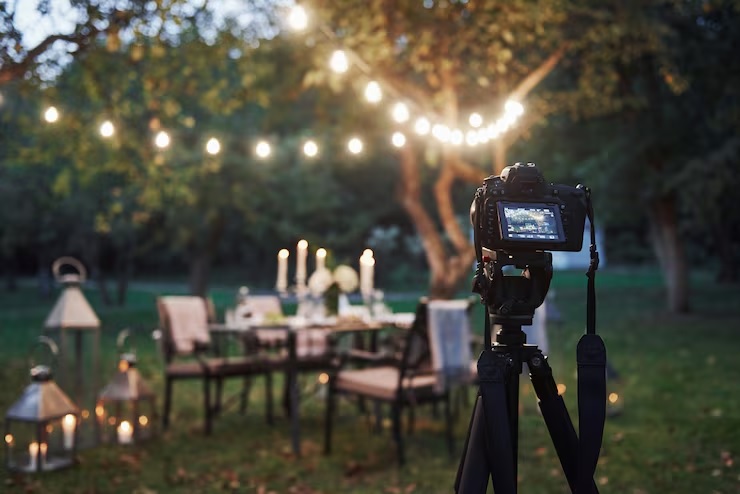
A sturdy tripod is the foundational pillar of stabilization. When shopping for support systems, avoid flimsy, ultra-lightweight department store tripods that flex in a gentle breeze. Look for robust carbon fiber or aluminum legs paired with a reliable ball head or geared head capable of supporting the total weight of your camera and largest lens combination. A quality tripod opens up entirely new genres of photography, allowing you to capture silky water waterfalls at slow shutter speeds, track star trails in the night sky, or stack multiple exposures for HDR landscape composites.
In addition to physical support, modern in-body image stabilization and optical stabilization built into lenses work wonders for handheld shooting, allowing you to drop your shutter speed several stops lower than traditionally possible without inducing blur. However, for ultimate precision in landscape, architectural, and macro photography, locking down your camera on a heavy tripod remains unmatched.
Lighting Equipment: Shaping the Canvas
Photography literally translates to drawing with light, yet many beginners rely entirely on whatever ambient illumination is available. Taking your imagery to the next level requires learning how to modify, control, and introduce light on your own terms.
An external speedlight or professional strobe is a transformative addition to any kit. Unlike the harsh, direct pop-up flashes built into consumer camera bodies, an external flash can be tilted, bounced off ceilings and walls, or taken off-camera entirely and triggered remotely. By modifying your flash with softboxes, umbrellas, or diffusion grids, you transform a harsh point source of light into a soft, flattering wrap that enhances skin tones, adds dimension to portraits, and freezes fast action indoors.
For outdoor and macro shooters, portable LED panels or reflector discs offer continuous light control. Reflectors are inexpensive, lightweight, and incredibly effective at bouncing natural sunlight into the shadowed eyes of a portrait subject or casting fill light across a macro flower study. Learning to see light and manipulate it with basic modifiers is the single most important technical skill a photographer can develop.
Storage, Power, and Field Accessories
The best camera gear in the world is useless if your battery dies or your memory card corrupts halfway through a remote session. Reliable support accessories form the invisible safety net of professional photography.
Investing in high-speed, high-capacity memory cards with proven reliability ratings prevents catastrophic data loss. Always carry multiple backup cards rather than relying on a single massive card, minimizing risk in the field. Similarly, lithium-ion camera batteries deplete rapidly when shooting in cold weather or recording video clips; always maintain a kit containing at least two spare fully charged batteries and a dual-slot portable charger.
Finally, a well-designed camera backpack protects your financial investment from moisture, dust, and physical impact while evenly distributing weight across your shoulders during long hikes. Look for customizable interior dividers, weather-resistant zippers, and quick-access side compartments that allow you to pull your camera out instantly when a fleeting moment presents itself in front of you.
Conclusion
Assembling the ideal photography equipment kit is an ongoing journey rather than a one-time purchase. It requires balancing technical performance, physical weight, financial investment, and artistic vision. By prioritizing quality glass, understanding the nuances of camera bodies, mastering stabilization and lighting, and respecting the critical role of reliable support accessories, you build a toolkit that empowers rather than encumbers your creativity. Gear does not make you a photographer, but the right equipment ensures that when inspiration strikes, your technical execution matches your artistic intent.
