

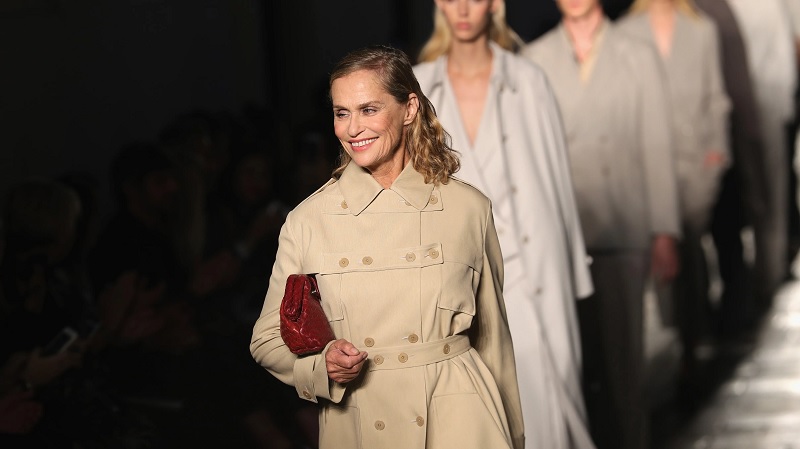
For decades, the global fashion and advertising industries operated under a rigid, narrow lens of youth. Magazines, billboards, and television commercials were heavily populated by teenagers and young adults in their early twenties, creating an unrealistic beauty standard that treated aging as something to be hidden, corrected, or airbrushed out of existence. Brands assumed that consumers only wanted to see reflections of youth, effectively sidelining a massive demographic of mature adults who possessed significant purchasing power and life experience.
That exclusionary paradigm is rapidly shifting. Today, the modeling industry is undergoing a profound cultural and commercial evolution, driven by the undeniable rise of ageless and mature modeling. Silver hair, laughter lines, and lived-in skin are no longer anomalies tucked away in niche senior catalogs. Instead, mature models are stepping into the spotlight of high-fashion runways, luxury cosmetic campaigns, and mainstream lifestyle advertising. This shift is not merely a passing trend or corporate tokenism; it represents a fundamental maturation of consumer expectations and a broader celebration of authenticity in modern media.
The Demographic and Cultural Shift Driving Change
To understand why mature modeling has moved from the margins to the mainstream, one must examine shifting demographic realities. Across North America and Europe, populations are aging steadily. The Baby Boomer generation, followed closely by Generation X, commands a substantial share of global wealth and disposable income. These consumers are vibrant, active, and deeply engaged in cultural life. They do not identify with the traditional stereotypes of aging that past generations accepted, and they expect brands to recognize their presence and dignity.
At the same time, cultural attitudes toward aging have undergone a massive transformation. Society is moving away from anti-aging rhetoric toward a philosophy of graceful aging, vitality, and self-acceptance. Consumers increasingly reject brands that rely on fear-based marketing tactics regarding wrinkles or gray hair. When a major skincare brand features a model in her sixties or seventies with glowing, authentic skin, it resonates on a deeper emotional level than a digitally smoothed teenager promoting an anti-aging cream.
This cultural awakening has proven that representation matters deeply. When mature consumers see people who look like them in mainstream campaigns, trust is established. Brands are realizing that inclusivity must encompass age just as much as it embraces body diversity and racial representation. By opening casting calls to older generations, companies are tapping into an appreciative and loyal audience that feels seen and valued for the first time.
Redefining Beauty Standards on the Runway and in Print
The mainstreaming of mature models has visibly altered the aesthetic landscape of fashion weeks and luxury editorials. Prominent modeling agencies now feature dedicated mature divisions, representing talent ranging from their forties to their eighties and beyond. These individuals are not cast as caricatures or grandmothers playing a supporting role; they are front-and-center as fashion icons, redefining what elegance and high style look like.
The Power of Lived-In Authenticity
One of the most compelling aspects of mature modeling is the innate authenticity that older individuals bring to a frame. Youthful enthusiasm is wonderful, but mature models bring decades of life experience, confidence, and comfort in their own skin. When a model has lived through decades of personal and professional triumphs, it shows in their posture, their gaze, and the ease with which they carry designer garments.
This confidence translates directly into powerful visual storytelling. Photographers often note that shooting mature talent offers a unique collaborative dynamic. There is an unspoken understanding of nuance, mood, and character that comes with maturity. Whether they are modeling tailored suiting for a luxury automotive brand or casual lifestyle wear for an outdoor apparel company, mature models project an air of self-assurance that younger models often have to work years to cultivate.
Breaking Stereotypes Across Industries
The impact of mature modeling extends far beyond traditional fashion houses. Industries that once relied exclusively on young faces are rethinking their visual strategies. Fitness brands now feature active seniors running marathons or practicing yoga, challenging the notion that physical vitality ends at a certain age. Travel companies, financial institutions, and tech corporations increasingly cast mature models to represent active retirement, entrepreneurship, and lifelong learning. This cross-industry adoption proves that mature talent brings versatility and relatability to a wide array of consumer products.
Overcoming Challenges and Looking Toward the Future
Despite the incredible progress made by mature models, the industry still faces challenges that require intentional effort to overcome. Ageism is deeply rooted in media history, and remnants of the youth-obsessed culture occasionally surface in casting decisions. Some brands still treat mature campaigns as one-off novelty events rather than integrating older talent consistently into their ongoing brand identity.
Furthermore, aspiring mature models often face a learning curve when entering the industry later in life. Understanding portfolio development, agency navigation, and digital self-marketing requires dedication. Fortunately, the rise of digital platforms and social media has given mature creators the autonomy to build their own audiences, often bypassing traditional gatekeepers and demonstrating their commercial viability directly to brands.
Looking ahead, the future of mature modeling appears exceptionally bright. As consumers continue to demand authenticity and diversity, the industry has no choice but to adapt. Brands that embrace ageless casting are rewarded with deeper customer loyalty, positive public relations, and a refreshing visual identity that stands out in a crowded marketplace. Age is no longer a barrier to visibility; it is increasingly viewed as an asset that enriches the visual fabric of modern advertising.
