

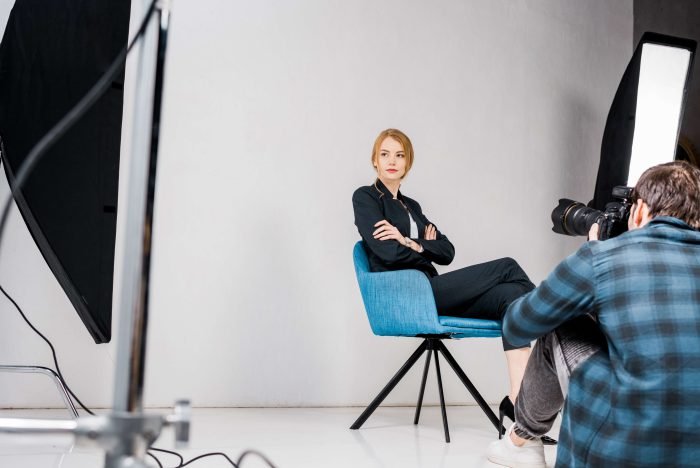
In the modern marketplace, your initial introduction to a potential client, partner, or employer rarely happens in a physical boardroom. Instead, it occurs on a screen. Before you ever exchange an email or schedule a call, your online presence acts as a silent ambassador, conveying professionalism, approachability, and competence. For those looking to elevate their personal brand, investing in a high-quality professional headshot photographer is no longer a vanity project; it is a fundamental business strategy.
The digital landscape has fundamentally altered how we build rapport. When a lead lands on your LinkedIn profile or a hiring manager reviews your portfolio, the image they see occupies a disproportionate amount of their cognitive focus. Human beings are wired to process visual information—specifically faces—with remarkable speed. In the span of a few milliseconds, a viewer forms a subconscious judgment about your reliability and your attention to detail. This makes the quality of your business headshots one of the most significant levers you can pull to influence how others perceive your career trajectory.
Why High-Quality Imagery Matters More Than Ever
We are currently navigating an era of digital saturation. Whether you are a partner at a law firm, a creative director at an agency, or an entrepreneur launching a startup, the visual assets you use define your market position. A blurry, poorly lit, or outdated portrait sends an unintentional signal: that you may be behind the times, or perhaps that you do not prioritize the details of your own presentation.
Conversely, intentional imagery demonstrates a commitment to excellence. When you hire a professional headshot photographer, you are not simply paying for a camera shutter to click; you are paying for an expert who understands the nuances of light, angles, and human psychology. A skilled specialist knows how to bring out a natural expression, how to use soft, flattering lighting to minimize distractions, and how to frame a subject to communicate confidence. These elements work in concert to build trust, which is the primary currency of any professional transaction.
The Psychology of the Professional Portrait
Great photography is less about the camera and more about the connection. One of the primary reasons people feel uncomfortable in front of a lens is the fear of looking artificial or “staged.” However, when you work with a professional, the goal is actually the opposite: it is about capturing the most authentic, polished version of yourself.
The best business headshots feel approachable yet authoritative. This is achieved through deliberate choices in background, depth of field, and body language. For instance, a shallow depth of field—where the background is softly blurred—keeps the focus entirely on your eyes and expression. This ensures that the viewer feels an immediate sense of connection. Similarly, the way you carry your shoulders and the tilt of your chin can change the entire “vibe” of an image. A good photographer acts as a coach, guiding you into a posture that feels comfortable and looks authoritative, ensuring that your final image resonates with the specific audience you are trying to reach.
Selecting the Right Photographer for Your Needs
Not all portrait services are created equal, and finding the right fit requires looking past the surface. When vetting a potential professional headshot photographer, consider these three pillars of quality:
- Portfolio Cohesion and Style
Does the photographer have a consistent look across their work? You want someone whose style aligns with your industry’s expectations. If you are in finance or corporate consulting, you may prefer a clean, minimalist studio look with neutral backgrounds. If you are in the creative sector, a more lifestyle-oriented approach, perhaps featuring natural ambient light or architectural elements, might be more appropriate. Look for a portfolio that showcases variety in lighting and a clear mastery of color grading.
- The Pre-Shoot Consultation
A professional who is invested in your success will always want to talk before the session begins. They should ask questions about your industry, your target audience, and how you intend to use the photos. Are these for a personal website, a high-end speaker bio, or a social media campaign? Understanding the context allows the photographer to tailor the wardrobe suggestions, lighting ratios, and posing strategy to meet your specific goals.
- Collaborative Editing and Retouching
The hallmark of a seasoned professional headshot photographer is their approach to retouching. The goal should be to enhance, not to erase. You want to look like yourself, only on your best day. Avoid professionals who over-filter or use aggressive skin smoothing that removes natural texture. Instead, look for retouching that cleans up stray hairs, minimizes temporary blemishes, and balances light, all while keeping your features sharp and natural.
Consistency Across Your Digital Ecosystem
Once you have your final selection of business headshots, the next step is implementation. Inconsistent branding is one of the most common mistakes individuals make. Using a casual selfie on one platform and a formal portrait on another creates a disjointed experience for your network.
Consistency builds recognition. When you use the same high-quality imagery across your website, LinkedIn, email signature, and industry-specific profiles, you solidify your personal brand. This visual consistency makes it easier for people to recognize you, remember you, and trust you. If you are part of a team, consider having your entire staff photographed by the same professional. A unified, high-quality set of portraits for an entire company page instantly elevates the perceived size, stability, and sophistication of the organization.
Preparing for Your Session
To get the most out of your investment, preparation is key. Here are a few practical tips to ensure your session goes smoothly:
- Wardrobe Strategy: Stick to timeless pieces. Avoid busy patterns, logos, or neon colors that can distract from your face. Think about your brand identity—a sharp blazer for a corporate look, or a smart-casual sweater for a more approachable, modern vibe.
- Grooming and Rest: Schedule your shoot for a day when you feel well-rested. If you have a specific grooming routine—a haircut, for instance—try to get it done a few days in advance to let it settle.
- The “Why” Factor: Keep in mind the primary goal of your image. If you want to convey that you are a listener and a collaborator, your body language should be open and relaxed. If you want to demonstrate leadership and strength, focus on a posture that is upright and direct. Communicate these goals to your photographer before the first click.
Making the Final Investment
The return on investment for professional photography is remarkably high when you consider the lifespan of a single, great image. A high-quality set of business headshots can serve you for 12 to 24 months. Over that period, your photos will be seen by thousands of people—potential clients, recruiters, or peers.
When you break down the cost of a session over the number of impressions you will make, it becomes clear that professional imaging is one of the most efficient ways to invest in your career. It is an act of respect for your own professional identity. In an increasingly visual and competitive digital world, showing up as a polished, professional, and authentic version of yourself is the single best way to ensure you are taken seriously. Don’t leave your first impression to chance; take control of your narrative, one frame at a time.
