

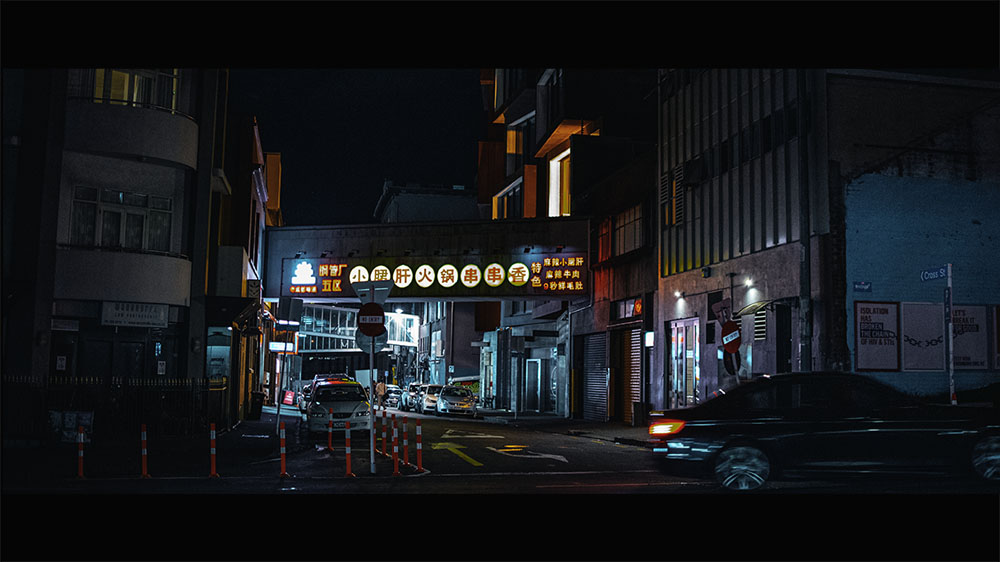
Cinematic photography is more than just capturing moments; it’s about crafting visual narratives that evoke emotions, tell stories, and immerse viewers into a universe of your creation. Unlike conventional photography, cinematic photography bridges the gap between still images and motion pictures, combining advanced techniques in composition, lighting, and mood to produce images that feel alive. In this article, we explore how professional photographers elevate their work to a cinematic level, the tools they use, and the strategies to create compelling storytelling through visuals.
Understanding Cinematic Photography
Cinematic photography draws inspiration from films. It focuses on storytelling, mood, and atmosphere, rather than just capturing subjects. The images often resemble movie stills, with attention to lighting, perspective, color grading, and depth. This approach allows photographers to convey a narrative in a single frame or a series of images, making the audience feel a part of the story.
-
Key Characteristics of Cinematic Photography:
-
Dramatic lighting and contrast
-
Deliberate color grading to evoke emotion
-
Use of composition techniques similar to film framing
-
Inclusion of narrative elements within the frame
-
Depth created through foreground and background interplay
-
Cinematic photography isn’t limited to professional cameras. Modern smartphones, equipped with advanced sensors, can also capture cinematic imagery, provided the photographer understands the principles behind storytelling and visual composition.
Crafting a Narrative Through Composition
Composition in cinematic photography is critical to storytelling. Every element in the frame should contribute to the narrative. Unlike typical portrait or landscape photography, cinematic images often incorporate leading lines, negative space, and asymmetrical balance to guide the viewer’s attention.
-
Rule of Thirds and Beyond: While the rule of thirds is foundational, cinematic photography often breaks conventional rules to create tension or focus on specific subjects.
-
Foreground and Background Layers: Adding layers adds depth and dimension, making the scene feel three-dimensional.
-
Framing Within Frames: Using elements like windows, doors, or natural shapes can focus the viewer’s attention and add context to the story.
Professional photographers meticulously plan compositions, imagining how the viewer’s eye will travel across the frame, ensuring that the story unfolds naturally.
Mastering Light and Shadow
Lighting is the heart of cinematic photography. The way light interacts with subjects, objects, and surroundings can dramatically change the mood and tone of an image. Professionals often employ techniques inspired by cinematographers:
-
Golden Hour and Blue Hour: Natural lighting during these periods produces soft, diffused, and cinematic quality.
-
Chiaroscuro Lighting: A dramatic interplay of light and shadow that creates tension and depth.
-
Practical Light Sources: Using lamps, neon signs, or streetlights adds authenticity and enhances the narrative.
Additionally, understanding light direction, intensity, and color temperature allows photographers to manipulate emotions within a scene. Shadows, when used intentionally, can tell stories of mystery or suspense, while soft, warm light conveys intimacy and warmth.
The Role of Color in Storytelling
Color is one of the most powerful tools in cinematic photography. Just as filmmakers use color palettes to convey mood, photographers can use hues to reinforce emotions and narrative themes.
-
Color Grading: Post-processing techniques like color grading can transform a flat image into a cinematic masterpiece. Desaturated tones might evoke nostalgia, while vibrant hues express energy and life.
-
Complementary and Analogous Colors: Strategic color choices can emphasize contrasts or harmonies, guiding the viewer’s emotional response.
-
Symbolic Colors: Colors carry cultural and emotional significance—red for passion or danger, blue for calm or melancholy, green for growth or decay.
By combining intentional color choices with composition and lighting, photographers craft images that are visually striking and narratively resonant.
Movement and Perspective
Cinematic photography often incorporates motion or the illusion of motion, even in still images. Techniques include:
-
Slow Shutter Speeds: Capturing motion blur to convey action or passage of time.
-
Dynamic Angles: Shooting from high, low, or unconventional angles to enhance drama.
-
Depth of Field Manipulation: Using shallow depth of field isolates subjects, focusing attention while blurring distractions, creating a sense of cinematic intimacy.
These techniques not only enhance aesthetic appeal but also contribute to storytelling by immersing the viewer into the moment, making them feel part of the unfolding narrative.
Integrating Narrative Elements
A cinematic image should tell a story on its own, even without text. Professional photographers integrate narrative elements such as:
-
Character Placement: Positioning subjects strategically to convey relationships, emotions, or hierarchies.
-
Environmental Context: Background details add layers to the story, revealing history, mood, or tension.
-
Props and Wardrobe: Deliberate choices in clothing, accessories, and props enhance storytelling, setting the scene in a particular time or genre.
Every visual cue in the frame contributes to the story. Even subtle details like a shadow, a reflection, or a passing object can add layers of meaning.
Advanced Post-Processing Techniques
Post-processing is an essential part of cinematic photography. While capturing the image perfectly in-camera is ideal, editing allows photographers to enhance the narrative, adjust mood, and refine visual storytelling.
-
Color Grading and LUTs: Using Look-Up Tables (LUTs) or custom grading techniques to create cinematic tones.
-
Dodging and Burning: Selective light adjustments to highlight subjects or deepen shadows for dramatic effect.
-
Adding Texture and Grain: Subtle film grain or texture can add authenticity and a timeless cinematic feel.
-
Composite Editing: Combining multiple exposures or elements to craft a more compelling narrative.
The post-processing phase requires both technical skill and artistic vision, ensuring that the final image aligns with the story intended by the photographer.
Cinematic Photography in Story Series
While a single image can tell a story, photo series or editorial spreads amplify the narrative. Professional photographers often work on thematic projects, where each frame contributes to an overarching storyline.
-
Sequential Storytelling: Arranging images in a sequence to depict a journey, transformation, or unfolding event.
-
Mood Consistency: Maintaining consistent color, lighting, and style across the series to reinforce the narrative.
-
Visual Motifs: Repeating symbols or compositional elements create cohesion and enhance storytelling depth.
Series-based storytelling transforms photography from simple documentation into a cinematic experience that engages viewers on a deeper emotional level.
Equipment and Lens Choices
While creativity is more important than gear, professional photographers often leverage advanced equipment to achieve cinematic effects.
-
Prime Lenses: Known for their sharpness and low-light capabilities, primes help achieve cinematic bokeh and shallow depth of field.
-
Wide-Angle Lenses: Ideal for environmental storytelling, capturing expansive scenes with narrative context.
-
Stabilization Tools: Tripods, gimbals, and sliders allow precise framing and motion control for cinematic shots.
-
Lighting Gear: Continuous lights, reflectors, and softboxes give full control over scene illumination.
Understanding how equipment choices impact storytelling allows photographers to translate their vision into compelling cinematic imagery.
Challenges in Cinematic Photography
Despite its allure, cinematic photography is not without challenges:
-
Balancing Art and Technical Precision: Achieving the desired cinematic effect requires mastery of both creative and technical skills.
-
Lighting Limitations: Natural lighting can be unpredictable; artificial lighting must blend seamlessly.
-
Post-Processing Demands: Advanced editing can be time-consuming and requires proficiency with software.
-
Narrative Clarity: Crafting a story that communicates effectively within a single frame demands foresight and planning.
Overcoming these challenges elevates the photographer’s craft, pushing the boundaries of visual storytelling.
Conclusion
Cinematic photography is an advanced form of art that transforms still images into emotionally charged, narrative-driven works. Through mastery of composition, lighting, color, motion, and post-processing, photographers can craft stories that resonate with audiences. It is a discipline that blends technical expertise with artistic vision, allowing photographers to create images that linger in the viewer’s imagination long after they’ve been seen. For professionals seeking to stand out in the competitive photography world, cinematic storytelling provides a pathway to truly unforgettable imagery.
Frequently Asked Questions (FAQ)
1. Can cinematic photography be achieved with a smartphone?
Yes, while professional cameras offer more control, smartphones with advanced sensors and manual settings can capture cinematic imagery with proper composition, lighting, and post-processing.
2. How does cinematic photography differ from regular photography?
Unlike standard photography that focuses on aesthetics or documentation, cinematic photography emphasizes storytelling, mood, and atmosphere, often resembling film stills.
3. What software is best for cinematic color grading?
Adobe Lightroom, Capture One, and Photoshop are commonly used. LUTs can also help achieve professional cinematic tones quickly.
4. Can cinematic photography work in black and white?
Absolutely. Black-and-white cinematic photography relies heavily on contrast, texture, and light to tell a story without color cues.
5. How important is storytelling in cinematic photography?
Storytelling is central. Every element—lighting, color, composition, and subject placement—should contribute to the narrative to engage viewers emotionally.
6. Are props and wardrobe essential?
Not always, but they can significantly enhance context, character, and mood, helping the audience interpret the story more effectively.
7. How do I create cinematic depth in my images?
Using layers, foreground and background elements, leading lines, and selective focus creates visual depth, making the scene feel immersive and cinematic.
